Reference family
Abrasives
Grit charts and material → grit decisions for wood and metal finishing. Look up the grit you need, then shop a pack that includes it — not brand rankings.
Start here
Material and stage → grit label, then a multi-grit pack that includes it.
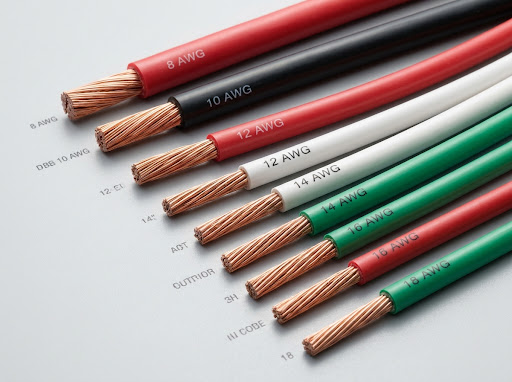
Grit picker
Pick a material and stage. Get a grit range, then a pack that covers those grits.
Open tool →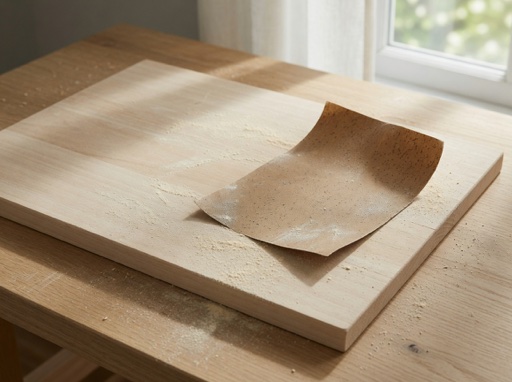
What grit for wood
Scene → grit decision table for bare wood, paint removal, and between-coat sanding.
Open page →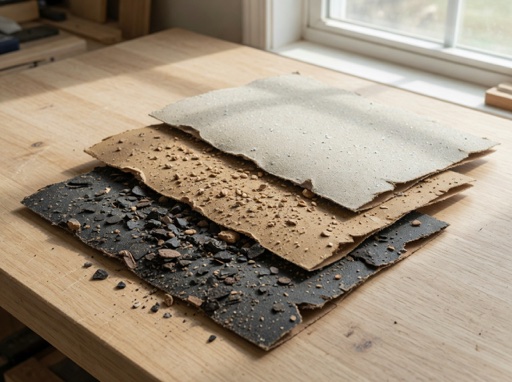
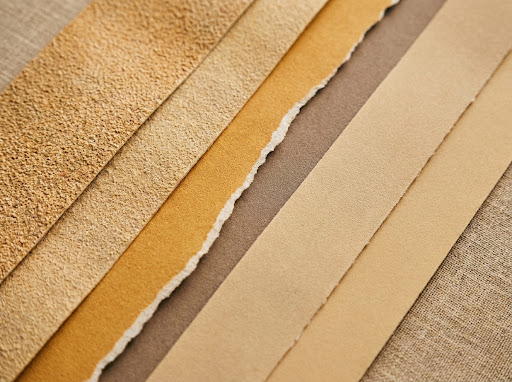
Sandpaper grit chart
Full grit ladder with CAMI / FEPA columns and stage notes for finishing.
Open chart →Browse by topic
Published finishing references for this family — catalog-driven, not a hand-picked dead list.
Start with a decision table
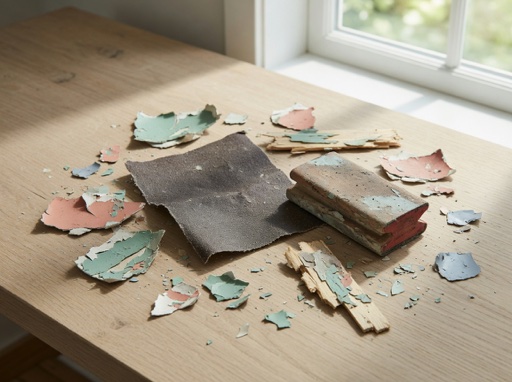
What grit for bare wood?
Rough → prep → finish sequences for solid wood and plywood.
How it works
Spec → grit label → multi-grit pack (includes the grit you looked up).
- 1
Pick material and stage
Wood, paint removal, metal, or between coats.
- 2
Read the grit label
Primary grit plus a short progression when it helps.
- 3
Shop a pack that includes it
Assortment packs that list the grit on the product.
FAQ
Grit picker → Finishing basics
Grit · progression · pack
What does grit number mean?
Higher grit numbers are finer abrasives. Lower numbers cut more aggressively. Shop progressions often step up gradually (for example 80 → 120 → 180).
Is CAMI the same as FEPA / P-grit?
They are related but not identical scales. Many consumer packs use plain numbers; European-style packs may show P-grades. Use the product marking as the source of truth.
Can one grit do everything?
Usually no. Coarse grits remove material; finer grits prepare for finish. Multi-grit packs exist so you can step through a sequence without buying every sheet separately.
Related families
Other workshop references on this site.