Reference family
Fasteners
Wood screws, machine screws, pilot holes, and tap drills — match the fastener to the hole size, then grab a drill set that covers it.
Start here
Know the screw? Get the hole size. Already have a drill size? Jump to the bit finder.
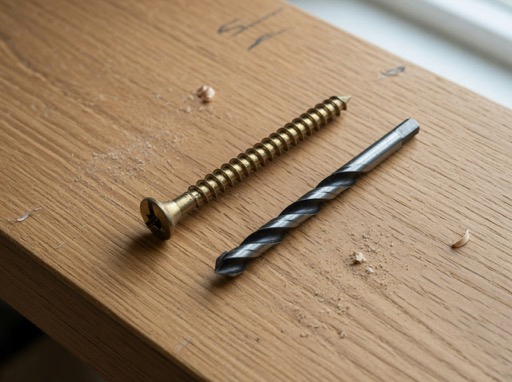
Screw → drill size
Enter a screw or tap size. Get the pilot or clearance hole and a matching drill set.
Open tool →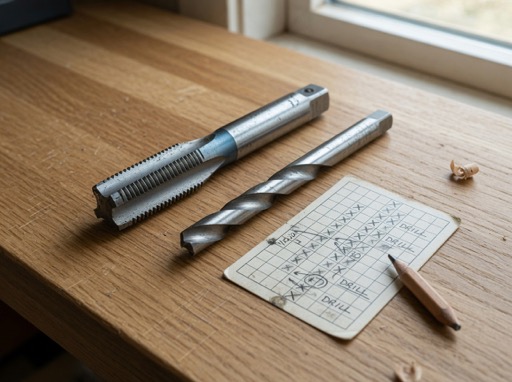
Tap drill finder
Metric or inch tap → recommended tap drill size and a matching drill set.
Open tool →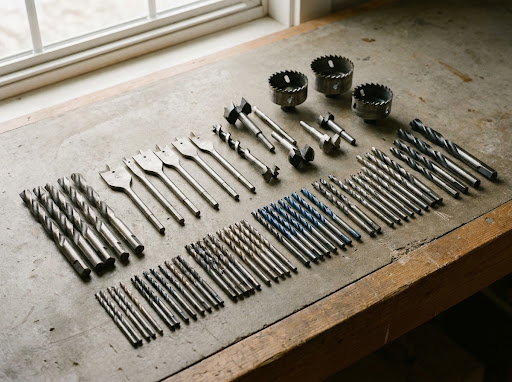
Drill bit size finder
Already know the hole size? Look up the bit label and set.
Open finder →Browse by topic
Published charts and tools for this family — new pages appear here when registered in the content catalog.
Flagship chart
Pilot hole size chart
Wood and machine screws → softwood/hardwood pilot, clearance, and tap-drill labels in one table.
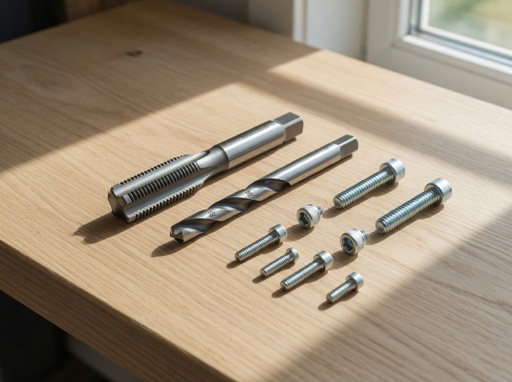
Tap drill size chart
Metric and UNC/UNF taps with recommended drill labels for shop threading.
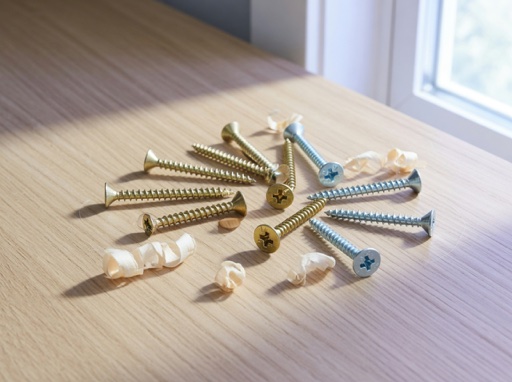
Wood screw size chart
Numbered wood-screw gauges mapped to major diameter in inches and millimetres.
Screw → hole size
Wood or machine screw → pilot / clearance / tap drill label.
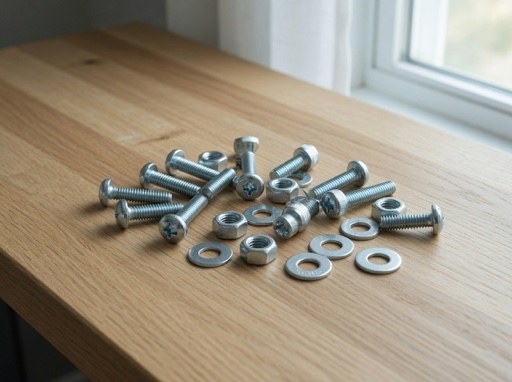
Tap drill finder
Metric or inch tap → recommended tap drill size.
How it works
Same Spec → Kit idea as drill bits: get the number, then the set that includes it.
- 1
Identify the fastener
Wood screw gauge, machine thread, or metric tap size.
- 2
Read the hole size
Pilot, clearance, or tap drill — often a drill bit label.
- 3
Shop a set that includes it
Open the drill finder with that label for a matching kit.
Common questions
Pilot, clearance, tap
What is a pilot hole?
A smaller hole drilled before driving a screw so the wood does not split and the threads grip correctly. Softwood and hardwood often use different pilot sizes for the same screw.
What is a clearance hole?
A hole large enough for the screw shank to pass freely (no thread engagement). Use it in the top piece when clamping two parts together with a screw into the bottom piece.
What is a tap drill?
The drill size used before tapping threads. It leaves enough material for the tap to form full (or nearly full) threads. Charts list common inch and metric pairs.
How do fasteners relate to drill bit sizes?
Every pilot, clearance, or tap hole is a drill bit size (fractional, number, letter, or metric). Use our charts to get the hole size, then the drill finder to match a set that includes it.
Drill sizes for those holes
Hole sizes resolve to drill bit labels — use the chart and finder to finish the loop.